A Practical Guide to Kubota Key Identification for Mini Digger Owners
Why Getting the Right Key Matters
If you work around construction equipment, especially mini diggers, you know how frustrating it is when a key breaks or goes missing. That moment when you are stood next to an excavator that won't start because you lost the only key - it stops the whole job. Over the years I have helped dozens of operators sort out their key problems, and the first thing I always ask is: do you know exactly which key you need? That is where Kubota key identification comes in, and it is more involved than many people expect.
Kubota makes a wide range of machines, from compact tractors to mini diggers and full-sized excavators. Each model line can use different keys, and not all keys are interchangeable. A key that works on one generation of mini digger might not even fit the ignition of another. Getting the identification right saves you time, money, and the headache of ordering the wrong part. In this article I want to walk through the practical side of identifying Kubota keys, drawing on what I have seen work and what often trips people up.
The Basics of Kubota Keys
Kubota keys fall into a few broad categories. The oldest machines often use simple metal cut keys, sometimes called machine keys. These are just shaped pieces of metal that turn a mechanical lock. They have no electronics inside. On newer models, especially those built after the early 2000s, Kubota started fitting transponder keys. These contain a small chip that communicates with the machine's immobiliser system. If the chip is missing or the wrong code, the engine will not start even if the key turns physically.
There are also security keys designed to be harder to copy. Some have special grooves or use a restricted keyway that only approved suppliers can cut. Understanding which category your key falls into is the first step in Kubota key identification. It tells you whether you can simply get a duplicate cut at a locksmith, or whether you need key programming to make the new key work with the immobiliser.
Reading the Key Itself
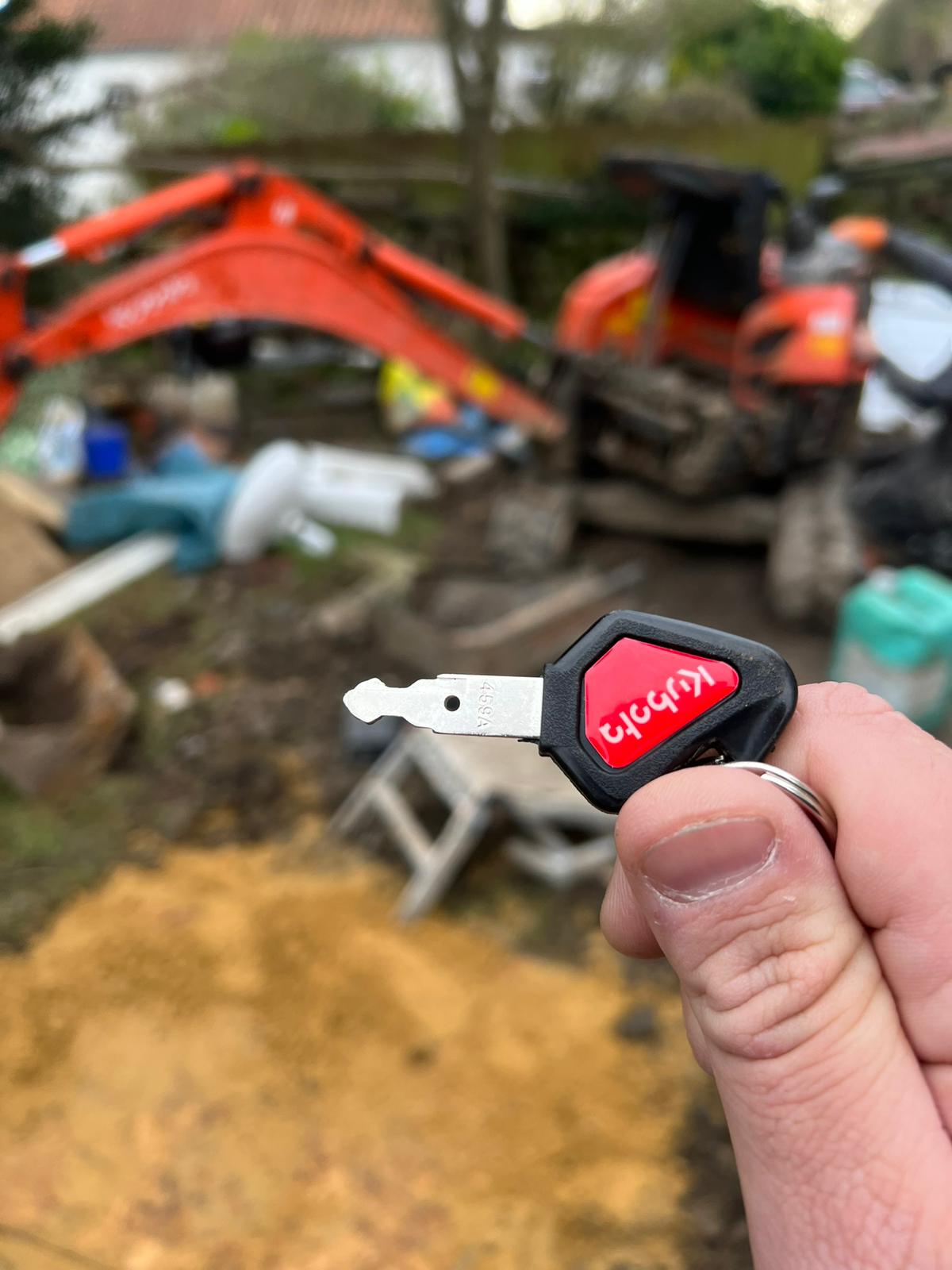
Most Kubota keys have numbers stamped into them. These numbers are often a good starting point for identification. Common prefixes include "K", "KB", "KA", and "T" followed by digits. For example, a key stamped "K123" might be a standard cut key for older mini diggers. A key stamped "T1" or "T2" often indicates a transponder key that needs programming. But the numbers are not always straightforward. Sometimes the same number appears on keys that fit different machines, and sometimes a machine can accept multiple key codes.
I have seen owners try to use the machine's serial number to order keys, but that does not always work. Kubota parts catalogues are organised by model, and key codes are listed separately. The best approach is to check the key you already have, look for any markings, and then cross-reference those with the machine's model and year. If you have lost all keys, you may need to remove the ignition lock cylinder and read the code stamped on it. That code is usually a direct match for a replacement key blank.
Key Profiles and Blanks
Another layer in Kubota key identification is the physical profile of the key. Kubota uses several different key blank shapes. The most common for mini diggers is a flat steel key with a rounded head, but some newer machines use a wider plastic-headed key that houses the transponder. The blade shape - the part that goes into the lock - can be straight with cuts on one side, or it can have cuts on both sides. Some keys have a central groove, others do not.
If you are looking at aftermarket keys, you need to match the blank profile exactly. A key that is close but not identical can get stuck in the lock or damage the wafers inside. I have had customers bring me keys that were "almost right" but would not turn. That is why having a good reference photo or a physical sample is so important. UK suppliers who specialise in digger keys usually keep stock of the most common blanks, but they need to know the exact profile to send the right one.
When Key Programming Is Needed
If your Kubota mini digger uses transponder keys, then simple key cutting is not enough. The key must be programmed to match the immobiliser system. This is where many DIY attempts go wrong. You can buy a blank transponder key and get it cut to the correct profile, but if you do not program the chip, the machine will still refuse to start.
Key programming for Kubota construction equipment often requires specialised tools. Some machines use a rolling code system that changes the code each time you start the engine. Others use a fixed code that can be copied with the right programmer. A qualified locksmith or a specialist in Kubota keys can usually handle this. Some UK suppliers offer a service where they program the key before shipping it, so you receive a key that is ready to use. That is convenient, but you need to provide them with the correct identification details upfront.
For older machines without transponders, key programming is not an issue. You just need the right blank and an accurate cut. But even then, the lock mechanism can wear over time. A new key cut to the original code might not work smoothly if the lock is worn. In those cases, a locksmith may need to adjust the cut slightly or re-pin the lock. That is rare, but it happens.
Common Pitfalls in Identification
One mistake I see often is assuming that all Kubota keys are the same. Kubota makes dozens of different key types across their product lines. A key from a Kubota tractor from the 1990s will not work in a modern mini digger. Even within the mini digger range, models like the KX series, U series, and older KH series can use different keys. Another trap is relying solely on the machine's year of manufacture. Kubota sometimes changed key systems mid-year, so two machines built months apart might have different ignition systems.
Another issue is confusing aftermarket keys with original equipment. Aftermarket keys can be a good alternative because they are often cheaper and readily available. But not all aftermarket blanks are made to the same standard. Some are softer metal that wears down faster. Others have slightly different dimensions that cause problems in the lock. If you choose aftermarket, buy from a reputable UK supplier who knows the specific requirements for Kubota keys. Cheap internet listings from unknown sellers are a gamble.
There is also the matter of key duplication. If you have one working key, you can usually get a duplicate made. But if that key has a transponder, the duplicate will also need programming. Some locksmiths can clone the chip data from your existing key, which is a fast process. Others will need to program a fresh chip using the machine's security code. In either case, the duplication process starts with accurate Kubota key identification.
Practical Steps for Owners
If you own a Kubota mini digger and need a replacement key, here is a straightforward process to follow:
- Check your existing key for any stamped numbers or letters. Write them down.
- Note the machine's model number and year of manufacture. This is usually on a plate near the engine or on the chassis.
- Take a clear photo of both sides of the key, ideally next to a ruler for scale.
- If you have no key at all, remove the ignition lock and look for a code stamped on the cylinder housing.
- Contact a specialist UK supplier who deals with Kubota keys. Give them all the information you have collected.
Following these steps will greatly reduce the chance of ordering the wrong key. I have seen people waste weeks sending keys back and forth because they only gave the machine model and no key details. The more specific you can be, the faster the process.
The Role of a Specialist Supplier
A UK supplier who focuses on mini digger keys has an advantage over a general locksmith. They usually stock a wide range of Kubota key blanks, including both original equipment and aftermarket keys. They also have experience with the quirks of different models. For example, some Kubota keys use a specific type of transponder that is not compatible with universal programmers. A specialist will know that and can advise you before you buy.
Fast shipping is another benefit. When your machine is down, time is money. A supplier who can post a key the same day, and who has the key already cut and programmed, can get you back to work quickly. That is the level of service that makes a real difference on a job site.
Final Thoughts on Identification
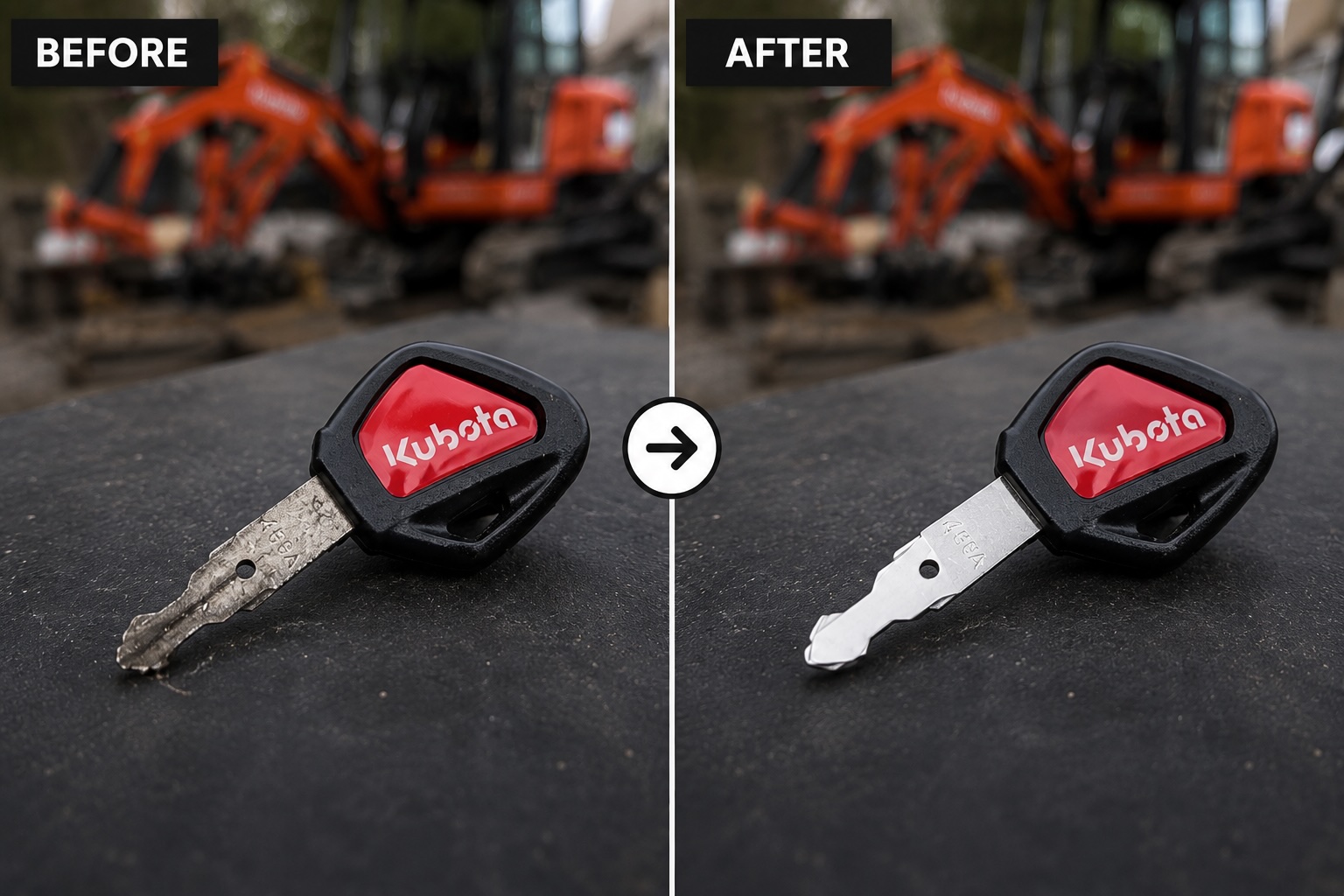
Kubota key identification is not a complex skill, but it does require attention to detail. The key you need is defined by the machine's model, its age, and the type of ignition system fitted. Whether you are dealing with a simple metal cut key or a modern transponder key with security features, the identification process follows the same logical steps: look at the key, look at the machine, and ask the right questions.
I have seen too many operators try to guess their way through a key replacement. It almost always ends in frustration. Taking ten minutes to properly identify the key saves hours of delay and avoids the cost of ordering the wrong part. If you are unsure, ask a specialist. They deal with these keys every day and can usually identify a key from a good photo. That is the fastest route to a working machine again.
In the end, a small investment of time in identification pays back every time. You get the right key, your mini digger starts, and the job moves forward. That is what matters.